
TL;DR:
- A vegan diet focuses solely on plant-based foods, excluding all animal products. Proper planning ensures health benefits, but attention to nutrients like B12, iron, and calcium is essential. Gradual meal changes and consistent meal prep support sustainable, healthful vegan living.
A vegan diet is an eating pattern centered entirely on plant-based foods, excluding all animal-derived products including meat, dairy, eggs, and honey. When properly planned, plant-based nutrition delivers real health advantages: lower risk of coronary heart disease, better gut microbiome diversity, and a measurably smaller environmental footprint compared to omnivorous diets. The catch is that "properly planned" carries real weight. Vitamin B12, iron, calcium, iodine, and omega-3 fatty acids all require deliberate attention. This guide walks you through every layer of a well-built plant-based lifestyle, from the nutrients that matter most to practical meal prep strategies that actually stick.
What are the essential nutrients in a vegan diet?
A well-balanced vegan diet requires careful management of several nutrients that are harder to obtain from plants alone. The British Heart Foundation identifies Vitamin B12, iron, calcium, and iodine as the nutrients most likely to fall short without deliberate planning. Getting these right is not complicated, but it does require consistency.
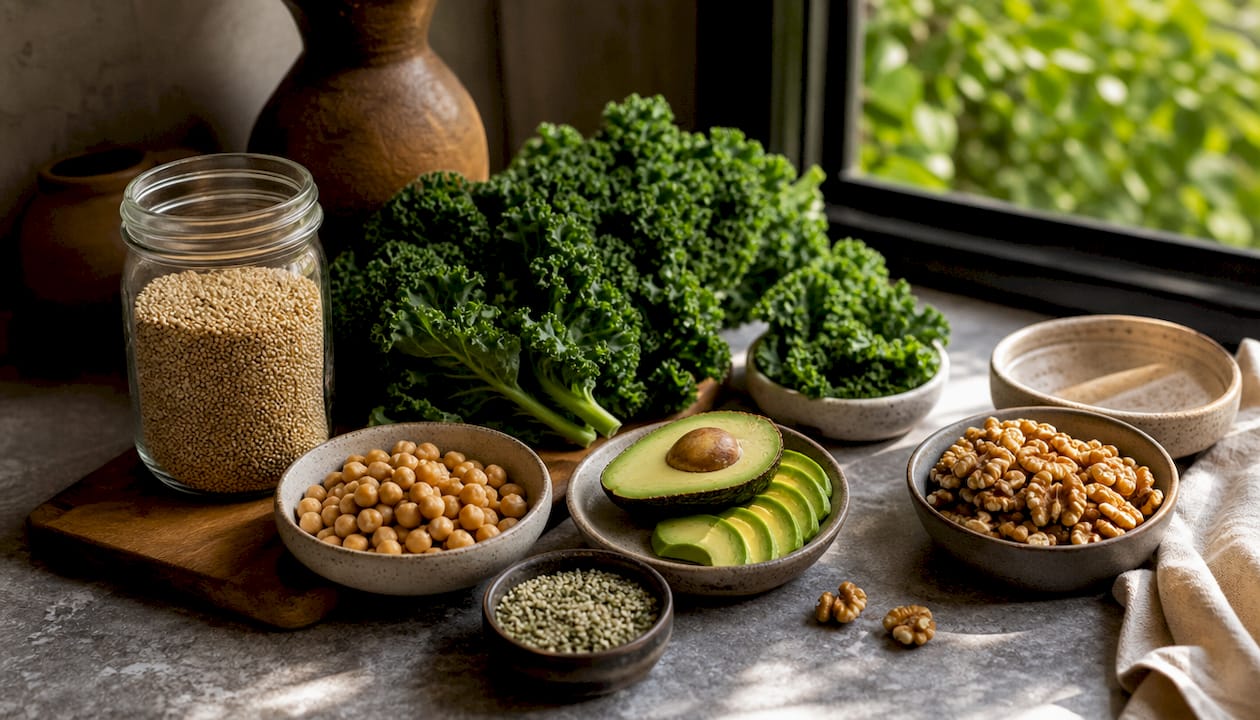
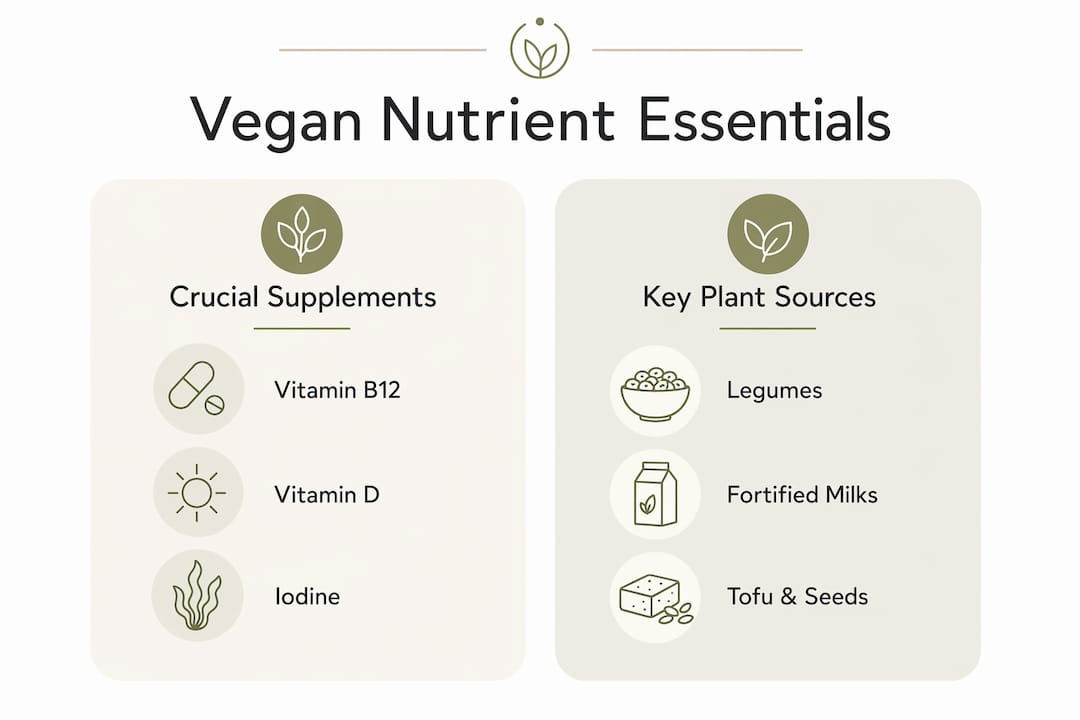
Vitamin B12 is the most critical gap. Reliable plant sources of B12 simply do not exist, which means daily supplements and fortified foods are non-negotiable on a vegan diet. Aim for 2 to 3 portions of fortified foods daily, such as fortified plant milks, nutritional yeast, or breakfast cereals, alongside a dedicated B12 supplement.
Iron from plant sources (called non-heme iron) absorbs less efficiently than iron from meat. You can close that gap by pairing iron-rich foods like lentils, chickpeas, and pumpkin seeds with vitamin C sources such as bell peppers or citrus. That pairing can significantly increase absorption. Sacrahaus offers vegan iron supplements in raspberry-flavor strips for people who need a reliable daily top-up.
Calcium, iodine, omega-3s, zinc, and Vitamin D round out the critical list. Fortified plant milks and tofu set in calcium sulfate cover calcium well. Iodine is trickier since seaweed is inconsistent as a source, so an iodine-containing supplement is the safer choice. For omega-3 fatty acids, at least 1 tablespoon daily of ground flaxseed or chia seeds covers your ALA needs. Algae-based DHA supplements address the conversion gap that flaxseed alone cannot fully bridge.
The Plant-Based Plate Method from VegKit gives you a simple visual framework: fill half your plate with vegetables, one quarter with whole grains, and one quarter with plant-based protein. That structure handles most of your nutritional needs at each meal without requiring you to count anything.
Pro Tip: Soak legumes overnight and cook them with kombu seaweed to reduce phytic acid, which is the compound that blocks zinc and iron absorption. This one habit meaningfully improves how much nutrition you actually extract from your food.
| Nutrient | Best plant sources | Key action |
|---|---|---|
| Vitamin B12 | Fortified plant milks, nutritional yeast | Supplement daily; eat 2–3 fortified portions |
| Iron | Lentils, chickpeas, pumpkin seeds | Pair with vitamin C to boost absorption |
| Calcium | Fortified tofu, fortified plant milks, kale | Choose calcium-set tofu specifically |
| Omega-3 (ALA) | Ground flaxseed, chia seeds, walnuts | 1 tablespoon daily minimum |
| Iodine | Iodized salt, supplements | Avoid relying on seaweed alone |
| Vitamin D | Fortified foods, sunlight | Supplement in winter months |
How do you plan and prep balanced vegan meals?
Meal prep is the single biggest predictor of long-term success on a plant-based diet. Batch cooking 2–3 protein sources, grains, and sauces in one weekly session removes the daily decision fatigue that causes most people to abandon new eating habits. Sunday is the most common prep day, but any consistent block of two hours works.
The most effective system uses protein anchors. Cook a large batch of one or two proteins, such as baked tofu, cooked lentils, or a pot of black beans, then build every meal around them throughout the week. Pair those proteins with a cooked grain like brown rice, farro, or quinoa, and you have the foundation for dozens of meal combinations.
Repeating ingredients and repurposing leftovers lowers your grocery bill, cuts food waste, and keeps planning simple. Roasted vegetables made on Sunday become a grain bowl on Monday, a wrap filling on Tuesday, and a soup base on Wednesday. That kind of ingredient flexibility is what makes vegan meal plans sustainable rather than exhausting.
A practical weekly grocery framework looks like this:
- Proteins: lentils, black beans, chickpeas, firm tofu, tempeh, edamame
- Grains: brown rice, quinoa, oats, whole-grain bread or pasta
- Vegetables: whatever is in season plus a bag of frozen spinach and frozen peas for backup
- Healthy fats: avocado, tahini, olive oil, walnuts, ground flaxseed
- Flavor builders: garlic, ginger, tamari, nutritional yeast, canned tomatoes, vegetable broth
- Fortified staples: unsweetened plant milk, fortified cereal
Protein needs on a vegan diet can reach 60–80 grams daily through whole foods alone, without any protein powder required. That is reassuring for beginners who worry that plant-based eating means constant protein tracking.
Pro Tip: Never prep sauces and dressings last. Make them first, while your grains cook and your vegetables roast. A good tahini dressing or a simple tomato-herb sauce transforms plain ingredients into meals you actually want to eat.
What are effective strategies for transitioning to a vegan diet?
The most reliable path to a lasting plant-based lifestyle is gradual adoption. Starting with one plant-based meal per day or choosing a few fully plant-based days per week outperforms cold-turkey switches in long-term adherence. Abrupt changes create deprivation, and deprivation creates backsliding.
The mindset shift that changes everything is moving from subtraction to addition. Instead of focusing on what you are removing, focus on what you are adding. New grains, new legumes, new sauces, new cuisines. An additive approach keeps meals feeling abundant rather than restricted, and it naturally crowds out animal products without the psychological friction of "giving things up."
Here is a practical five-step transition framework:
- Audit your current meals. Identify which meals you already eat that are naturally plant-based or nearly so. Most people have more than they realize.
- Swap one meal at a time. Replace breakfast first, since it is the easiest meal to make plant-based with oats, fruit, and plant milk.
- Build a rotation of 5–7 go-to meals. Decision fatigue is the enemy. A short list of reliable meals you enjoy removes the daily guesswork.
- Plan for social situations. Research restaurant menus in advance, eat a small snack before events where options may be limited, and communicate your needs without apology.
- Track key nutrients for the first 30 days. Use a free food tracking app to check that B12, iron, and calcium are consistently covered. After 30 days, you will know your patterns well enough to track by feel.
Consulting a registered dietitian for a personalized review is worth the investment, especially if you have existing health conditions. Self-compassion matters too. A meal that includes dairy at a family dinner does not erase your progress. Consistency over time is what produces results, not perfection on any single day.
What are the main health benefits and challenges of a vegan diet?
Well-planned plant-based diets reduce the risk of chronic diseases including coronary heart disease and support a healthier gut microbiome. The environmental case is equally strong: plant-based eating produces lower greenhouse gas emissions and requires less land and water than omnivorous diets. These are not marginal differences.
The critical qualifier is "well-planned." Diets high in processed vegan foods with excess salt, sugar, and saturated fats negate cardiovascular benefits entirely. A vegan diet built on white bread, chips, and sugary drinks is not a health strategy. Diet quality determines health outcomes, not the label on the eating pattern.
The table below shows how outcomes differ between a balanced and an unbalanced approach:
| Factor | Balanced vegan diet | Unbalanced vegan diet |
|---|---|---|
| Cardiovascular risk | Reduced | Potentially increased |
| Gut microbiome | Improved diversity | Minimal benefit |
| Nutrient status | Adequate with planning | Deficiencies likely |
| Weight management | Supported | Undermined by processed foods |
| Energy levels | Stable | Inconsistent |
| Environmental impact | Significantly lower | Lower, but reduced by packaging waste |
The term "plant-based" varies widely in how it is used, which creates real confusion about what health outcomes to expect. A diet of whole, minimally processed plants consistently produces the best results. That is the standard to aim for, regardless of what label you use to describe your eating pattern.
The most common pitfall for new vegans is not protein. It is B12, iodine, and Vitamin D, three nutrients that require supplementation or fortified foods regardless of how varied your plant-based diet is. Addressing those three from day one prevents the energy crashes and health issues that give poorly planned vegan diets a bad reputation.
Key Takeaways
A well-planned vegan diet built on whole plant foods, targeted supplementation, and consistent meal prep delivers measurable health benefits and is fully sustainable long-term.
| Point | Details |
|---|---|
| Supplement B12 from day one | No reliable plant source exists; use daily supplements and 2–3 fortified food portions. |
| Use the Plant-Based Plate Method | Half vegetables, one quarter grains, one quarter protein covers most nutritional needs per meal. |
| Transition gradually | Starting with one plant-based meal daily improves long-term adherence over abrupt changes. |
| Batch cook weekly | Prepping proteins, grains, and sauces in one session removes daily decision fatigue. |
| Diet quality determines outcomes | Processed vegan foods negate health benefits; whole foods are the standard that produces results. |
What I have learned from years of plant-based living
The conversation around vegan diets tends to get stuck in two places: nutrient fear on one side and idealism on the other. Neither is useful. What actually works is treating plant-based eating as a skill you build, not a moral test you pass or fail.
The biggest shift I have seen make a difference is moving away from the idea that a vegan diet is defined by absence. When you stop thinking about what you cannot eat and start thinking about the sheer range of plants, legumes, fermented foods, spices, and whole grains you have not explored yet, the diet stops feeling restrictive. It starts feeling like one of the most varied ways to eat on the planet.
Meal prep changed everything for me practically. Not because it saves time (though it does), but because it removes the moment of weakness at 7 PM when you are tired and there is nothing ready. Having cooked lentils, roasted vegetables, and a good sauce in the fridge means the path of least resistance is also the nutritious choice.
On the beauty and energy side, the connection between plant-based nutrition and skin health is real and underappreciated. Antioxidant-rich whole foods, adequate hydration, and targeted supplements like vitamin C and iron show up in your skin clarity and energy within weeks, not months. That visible feedback loop is one of the most motivating parts of the transition that nobody talks about enough.
My honest advice: give yourself 60 days of genuine effort with whole foods, proper supplementation, and weekly meal prep. The results will tell you everything you need to know.
— Sacrahaus
Sacrahaus supplements for plant-based nutrition
Filling nutritional gaps on a plant-based diet is straightforward when you have the right support.

Sacrahaus builds its vegan essentials collection specifically for people eating plant-based, covering iron, magnesium, creatine, greens, and minerals in third-party tested, non-GMO formulas made in the USA. The vegan supplement range also includes clean energy powders and functional botanicals for people who want to support their energy and vitality without compromising their values. Every product is designed to complement whole-food eating, not replace it. Free worldwide shipping and automatic discounts make building a consistent supplement ritual easy from day one.
FAQ
What does a vegan diet exclude?
A vegan diet excludes all animal-derived products, including meat, poultry, fish, dairy, eggs, and honey. The focus is entirely on plant-based foods such as vegetables, fruits, legumes, grains, nuts, and seeds.
Do vegans need to take supplements?
Vitamin B12 must be supplemented on a vegan diet since no reliable plant source exists. Vitamin D and iodine are also commonly recommended, depending on sun exposure and food choices.
How much protein can you get from a vegan diet?
Protein needs can be met through whole foods like legumes, tofu, tempeh, nuts, and whole grains, with typical daily intake reaching 60–80 grams without supplements.
What is the easiest way to start a vegan diet?
Start by replacing one meal per day with a plant-based option, then expand gradually. An additive mindset, focusing on new foods to include rather than foods to remove, improves adherence significantly.
Is a vegan diet automatically healthier?
A vegan diet is not automatically healthier. Diets high in processed vegan foods with excess salt, sugar, and saturated fat negate cardiovascular benefits. Whole, minimally processed plant foods are what produce measurable health improvements.